Navigating the Journey: Essential Resources and Strategies for Cancer Patients and Survivors
In the beleaguered world of cancer, where uncertainty often reigns and hope flickers, empowering lives takes precedence. Picture this: a person stands on the precipice of a cancer diagnosis, feeling as if they have just stepped into an uncharted territory. Suddenly, they are bombarded with medical jargon, overwhelming treatment options, the enormity of healthcare decisions, and the weight of emotions. The journey of navigating cancer can feel daunting, but it doesn't have to be. Armed with the right resources and strategies, patients and survivors can transform their journey into a pathway of empowerment and resilience. Let's explore the comprehensive tools available to light your way through this journey.
Imagine being handed a map when stepping into a vast wilderness. Similarly, comprehensive patient education serves as a crucial map when dealing with the intricacies of cancer. Did you know that understanding your cancer treatment options—be it chemotherapy, radiation therapy, or innovative immunotherapy—can significantly influence outcomes? Embrace knowledge like a shield: research the latest developments in oncology, engage in cancer awareness campaigns, and be proactive in learning about clinical trials that may lead to groundbreaking treatments. Remember, informed decisions are significant steps towards empowerment, and with empowerment comes the ability to advocate for yourself, ensuring that your voice is heard in the healthcare arena.
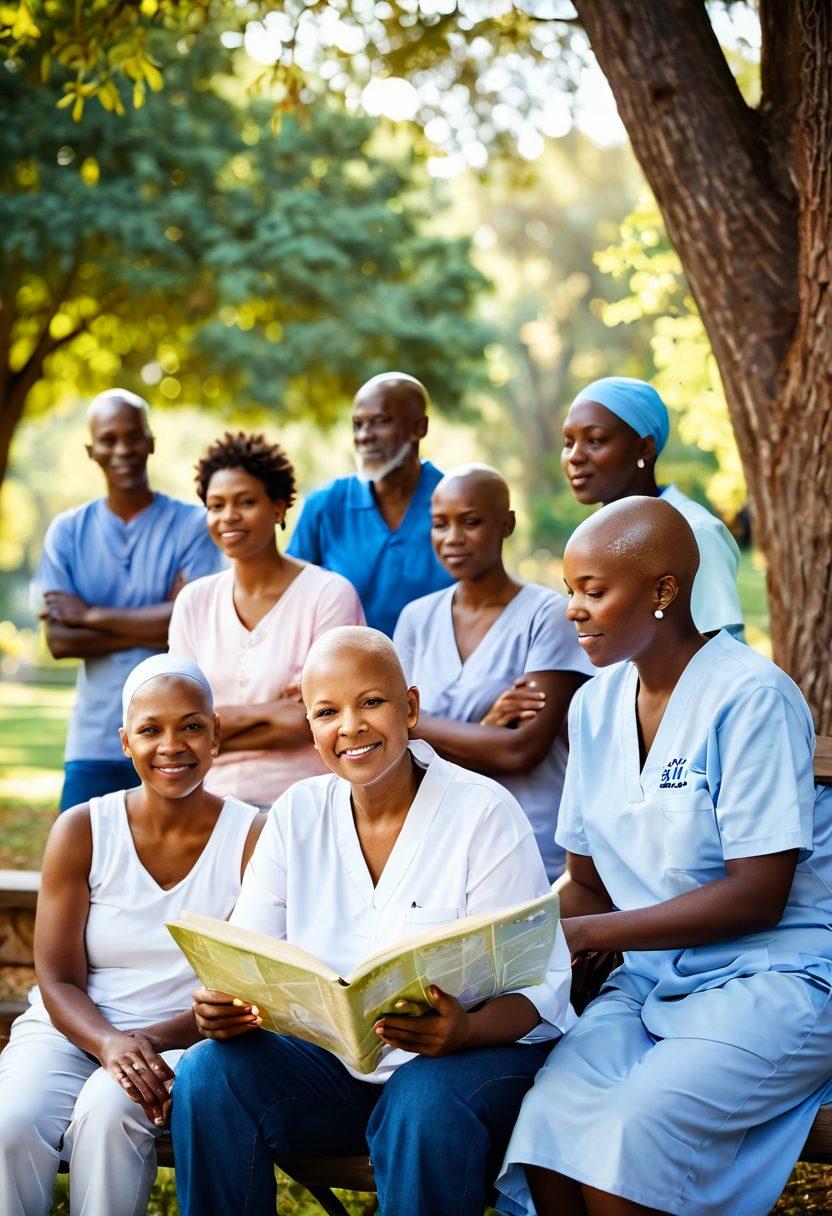
Navigating the emotional landscape of cancer is as significant as managing physical symptoms. The impact of cancer on daily life is multifaceted, affecting not just the body but also mental health. Emotional support for patients is crucial, and support extends beyond doctors and therapists; family support for cancer patients can be invaluable. Joining community support groups offers a refuge—a safe place to share patient stories, where individuals can connect over shared experiences and coping strategies. Ask yourself: who can you lean on? This network of personal and communal support nurtures emotional well-being, fostering resilience through shared journeys and mutual encouragement.
Adopting lifestyle changes for cancer wellness is another empowering step. Nutrition for cancer patients plays a pivotal role in recovery and overall health. Eating a well-balanced diet filled with colorful fruits and vegetables can help combat treatment side effects and bolster the immune system. But it doesn’t stop with just nutrition; integrating stress-relieving activities like yoga or meditation contributes to holistic health. Have you ever considered how small changes can lead to major benefits? By embracing wellness strategies that prioritize both mental and physical health, patients can cultivate a fortress of wellness to combat the adversities of cancer.
Finally, as you navigate through cancer treatment and survivorship, remember that you’re not alone. Patient advocacy organizations exist to ensure that every voice contributes to the dialogue about cancer care and research. By participating in healthcare discussions and advocating for better resources, you contribute to a broader change, impacting future patients. The journey may be complex, but you have the power to rewrite the narrative of your life as a cancer survivor. So as we walk this path together, ask yourself: in what ways can you empower yourself and others in this ongoing journey? Your story is significant – share it, learn from it, and together, let’s light the way for future generations.
From Diagnosis to Recovery: Your Guide to Treatment Options and Wellness Strategies
The journey through cancer, from diagnosis to recovery, can often feel like navigating an unmarked labyrinth. With so many twists and turns, it is crucial to equip yourself with the right tools and information. Research developments in oncology are rapidly changing the landscape of cancer treatment options, offering new hope to patients and survivors alike. Have you ever wondered how you can take charge of your own health during this challenging time? That’s exactly what this guide aims to provide—essential resources, strategies, and insights for cancer patients and survivors as they embark on their healing journeys.
At the heart of cancer treatment is a robust understanding of the various modalities available, be it chemotherapy, radiation therapy, immunotherapy, or palliative care. Each patient’s experience is unique, much like their cancer diagnosis. Did you know that participation in clinical trials can open doors to cutting-edge therapies that might not yet be widely available? Stories from other patients who have successfully navigated these options can serve as invaluable motivation. It's important to lean into the community support groups that exist—these connections can provide emotional support for patients, making them feel less isolated in their struggles.
But cancer treatment isn't just about medical procedures; it's also about wellness strategies that promote holistic health. Research suggests that lifestyle changes for cancer, like adopting a nutritious diet tailored for cancer patients, can enhance recovery. For instance, did you know that certain foods can work in synergy with treatments like chemotherapy to optimize outcomes? Patient education plays a vital role in developing these wellness strategies, empowering you to become an active participant in your own care. Remember, as the old saying goes, 'Knowledge is power.'
Beyond the physical aspects, the emotional toll of a cancer diagnosis can be immense. It's not uncommon to grapple with fear, anxiety, and even depression during this time. The impact of cancer on daily life extends to relationships, work, and mental well-being. It's essential to recognize that seeking mental health support is just as important as any other treatment option. Finding coping mechanisms and resources can fortify your emotional resilience while embarking on the path to survivorship. What steps can you take today to prioritize your mental health?
Lastly, cancer awareness campaigns have elevated the conversation around oncology, emphasizing not just treatment but also cancer prevention and community advocacy. Each patient story shared helps create a ripple effect of hope and knowledge, breaking the stigma while fostering a deeper understanding of cancer's complexities. As we wrap up, consider how you can embody this spirit of advocacy in your life—perhaps by participating in local events or sharing your own journey. Together, we can shine a light on the challenges and triumphs that come with cancer, transforming the narrative from one of fear to one of empowerment and resilience.
Community and Care: Building a Support Network for Cancer Patients and Survivors
In the face of a cancer diagnosis, the world can feel overwhelmingly isolating. One of the most profound realizations on this journey is that you are not alone. Building a community and establishing a support network can drastically change your experience with cancer, whether you are a patient or a survivor. The truth is, support systems are essential—not just for initial treatment and recovery but for long-term wellness strategies, emotional resilience, and holistic health. How can one cultivate these vital connections? Let's explore the richness of community care and its invaluable role in navigating the complexities of cancer.
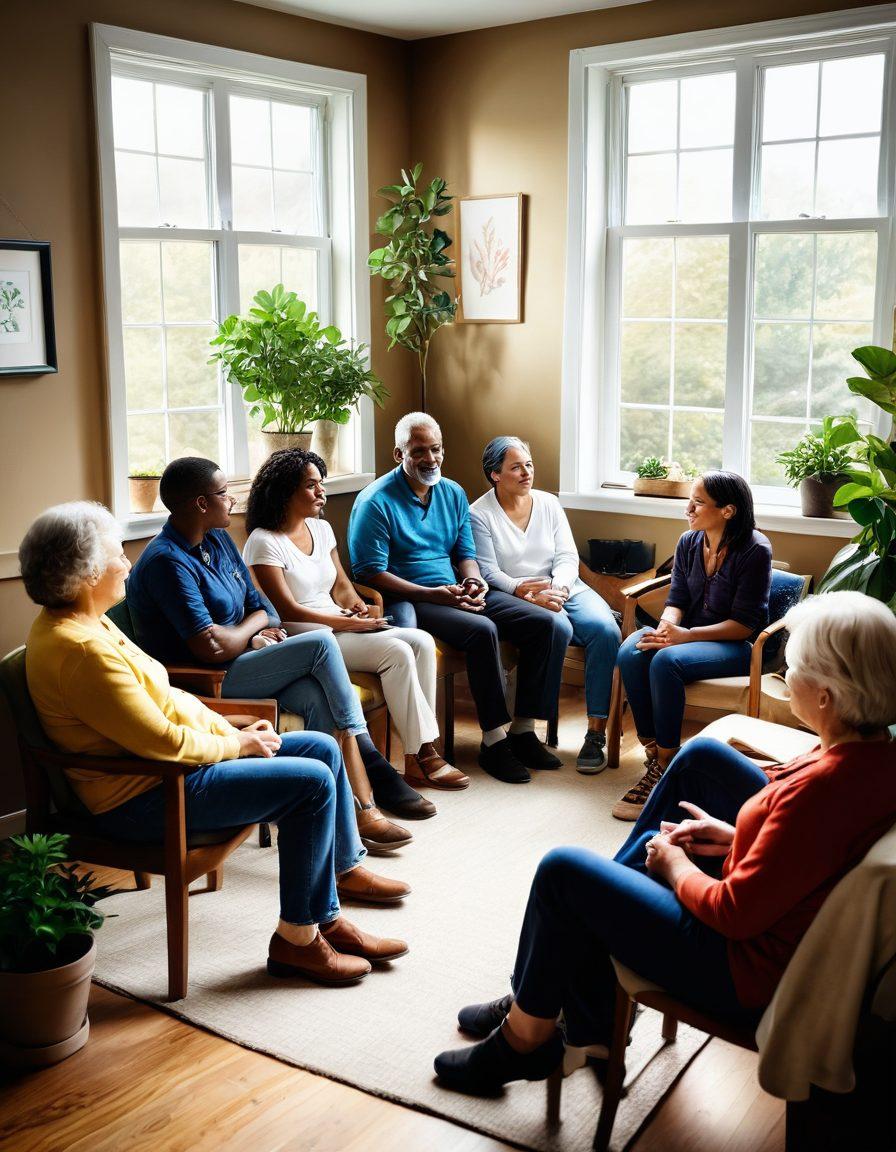
Imagine walking into a bustling support group, where the air is thick with empathy and understanding. This is where cancer patients and survivors gather to share their experiences, advice, and encouragement. In these spaces, unique patient stories unfold—stories of resilience, coping with cancer’s emotional weight, and discovering new life after treatment. Such gatherings exemplify the essence of community support groups, acting as a beacon of light for those seeking connection and insight. The camaraderie that flourishes in these environments can enhance symptom management and motivate patients to explore various cancer treatment options, including immunotherapy and chemotherapy. Who wouldn't want to be part of a living, breathing testament to the human spirit?
Family support for cancer patients is crucial, yet it often gets overshadowed by the clinical aspects of cancer care, like radiation therapy and palliative care. Emotional support provided by family members creates a foundational network within which patients can share vulnerability without judgment. As families educate themselves on cancer research and care options, they can become advocates for their loved ones, helping navigate the complexities of medical information and potential lifestyle changes for cancer. Ask yourself: How can you turn the unwavering love of family into a wellspring of strength for those battling this illness?
Moreover, cancer advocacy can take many forms, from participating in cancer awareness campaigns to engaging in discussions about clinical trials and advancements in oncology. Pumping life into these conversations not only spreads awareness but also fosters friendships and connections that might not have otherwise surfaced. Facilities dedicated to cancer support can offer resources not found in traditional healthcare settings, such as nutrition for cancer patients and alternative therapies. This multifaceted approach is a testament to the richness of community and care that cancer survivors have built. Could the relationship between patient education and community support be the key to unlocking your best possible life post-diagnosis?
As we reflect upon the ongoing journey of survivorship, the power of community continues to thrive. Emotional support for patients should never be underestimated, for it plays a pivotal role in fostering mental health and resilience. As you build your network, remain open to the knowledge and wisdom others share, including that of healthcare professionals, who can guide you through the ever-evolving landscape of cancer treatment. Knowing you have a team—be it family, friends, or fellow patients—encourages a spirit of hope and positivity. So, why not take a bold step today? Seek community support, share your own story, and remember: Together, we can forge paths toward healing and wellness that, while rooted in individual experiences, resonate as a collective journey.